Source Self-Priming Aluminum Booster Pump for Water Supply
Find and compare 30 Self-Priming Aluminum Booster Pump options for residential water supply, irrigation, and industrial circulation. Evaluate specifications including motor type, cast iron or aluminum construction, and multistage designs to identify suitable suppliers for your sourcing needs.
Key considerations
Products List


0.9HP 680W Cold and Hot Water Automatic Self-Priming Booster Water Pump
$75.00 - $191.00
MOQ: 100 Pieces


1.5HP 1100W Smart Self-Priming Booster Pump Intelligent Automatic Classic Style
$75.00 - $191.00
MOQ: 100 Pieces

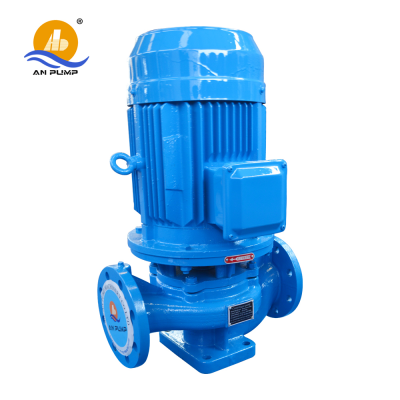


Permanent Magnet Variable Frequency Booster Pump
$40.00 - $70.00
MOQ: 2 Pieces
Landis Intelligent Control Pump Technology (Zhejiang) Co., Ltd

Automatic Booster High Pressure Pump
$30.00 - $50.00
MOQ: 2 Pieces
Landis Intelligent Control Pump Technology (Zhejiang) Co., Ltd


This Is a Very Simple Automatic Booster Pump
$25.00 - $45.00
MOQ: 2 Pieces
Landis Intelligent Control Pump Technology (Zhejiang) Co., Ltd


Comprehensive Sourcing Guide
Self-Priming Aluminum Booster Pump Sourcing Guide
Procuring self-priming aluminum booster pumps requires a careful balance between material performance, hydraulic efficiency, and commercial viability. While the core keyword emphasizes aluminum construction, market observations reveal a diverse supply landscape where cast iron and stainless steel variants are equally prevalent. Buyers must navigate this variance by clearly defining their operational requirements before engaging with suppliers, ensuring that the selected pump material aligns with the specific fluid dynamics and environmental conditions of the intended application. This guide provides a structured approach to evaluating these products based on observed market data and technical realities.
The sourcing process for these pumps is characterized by significant variability in specifications, from single-stage centrifugal designs to complex gas-hydraulic hybrid systems. Understanding the underlying theory of the pump—whether it relies on centrifugal force, water ring mechanisms, or outer recirculation—is critical for matching the equipment to the correct duty cycle. Furthermore, the availability of customization and OEM services allows buyers to tailor units to specific infrastructure needs, but this flexibility introduces complexity in the verification of technical parameters and quality control protocols.
Product Scope and Observed Listing Signals
The current market for self-priming booster pumps exhibits a wide spectrum of material compositions and structural designs. Although aluminum is a common material for lightweight, corrosion-resistant applications, observed listings frequently feature cast iron bases and bodies, particularly for heavy-duty industrial uses. Buyers should note that the term "aluminum" in search queries may not always reflect the primary construction material of the pump housing, as many suppliers offer cast iron models with similar functional capabilities. It is essential to verify the actual material composition of the impeller, casing, and base plate to ensure compatibility with the pumped liquid and environmental exposure.
Listing signals indicate a high degree of customization and model diversity, with product models ranging from standard designations like "Cdm" and "WZB" to specific configurations such as "1AWZB125" and "APS250". These variations often correspond to different hydraulic performances, mounting structures, and power requirements. The presence of both single-stage and multistage pump structures in the market suggests that buyers must carefully assess their head and flow requirements. Additionally, the observation of "Other" or "Customized" color options and standard export wooden box packaging highlights the importance of logistical planning and aesthetic integration into existing facility infrastructure.
Technical Specifications to Verify
Verifying the driving type and power source is the first critical step in technical evaluation. Most observed units are electrically driven, with horsepower ratings ranging from 0.26 to 2 HP, suitable for a variety of booster applications. However, some listings indicate the use of fitted motors or air engine types, which may require specific power infrastructure or compressed air systems. Buyers must confirm the voltage and phase requirements, such as 220V single-phase options, to ensure compatibility with their local electrical grid. Mismatched power specifications can lead to operational failures or the need for expensive electrical modifications.
The hydraulic theory and structure of the pump must align with the specific self-priming mechanism required. Options include centrifugal pumps, water ring types, and gas-hydraulic hybrid systems, each with distinct advantages in terms of priming speed and suction lift. For instance, self-priming pumps with outer recirculation may offer different performance characteristics compared to those with inner recirculation. Buyers should also verify the position of the pump shaft, with horizontal configurations being common, and check the seal type, typically mechanical seals, to ensure leak-free operation. The impeller design, whether closed or open, also impacts the pump's ability to handle solids and maintain efficiency over time.
Compliance and Safety Documentation
While specific certification statuses can vary by supplier and region, buyers should prioritize suppliers who can provide evidence of compliance with relevant safety and quality standards. The presence of CE certification in background data suggests that many manufacturers adhere to European safety directives, which is a valuable indicator for international buyers. However, buyers must request current and valid certification documents for each specific model, as compliance is not automatic across all product lines. Verifying these documents ensures that the equipment meets the legal and safety requirements of the destination market, reducing the risk of customs delays or operational liabilities.
Documentation should also include detailed technical datasheets that specify performance curves, including flow rates and head pressures. For example, some units may have a maximum head of 110m-150m or a flow rate of 40L/M, which must be matched to the system's hydraulic requirements. Buyers should also inquire about the testing procedures used by the manufacturer, such as hydrostatic tests or performance run-tests, to verify the integrity of the pump under operating conditions. Requesting these documents during the quotation phase helps establish a baseline for quality and performance expectations.
Cost Drivers and Commercial Terms
The price range for self-priming booster pumps is extensive, observed from approximately $14.3 to $50,000, reflecting the vast differences in material, size, and complexity. Lower-cost units may be basic single-stage pumps with cast iron construction, while higher-priced models could involve multistage designs, specialized alloys, or custom engineering. Buyers should analyze the cost drivers, such as the material of the impeller and casing, the quality of the mechanical seal, and the brand of the motor, to understand the value proposition of each quote. It is crucial to avoid selecting based on price alone, as lower-cost units may have shorter lifespans or higher maintenance requirements.
Minimum Order Quantities (MOQ) and payment terms are significant commercial factors that influence the total cost of ownership. Observed MOQs range from 1 to 100 units, offering flexibility for both small-scale projects and large industrial deployments. Buyers should negotiate terms that align with their inventory management strategies and cash flow constraints. Additionally, the packaging method, such as standard export wooden boxes or cartons, can impact shipping costs and the risk of damage during transit. Clear communication regarding packaging standards and logistics responsibilities is essential to avoid unexpected expenses and ensure the safe delivery of the equipment.
Supplier Qualification and Quality Control
Supplier qualification is paramount when sourcing specialized industrial equipment like self-priming pumps. Buyers should verify the supplier's manufacturing capabilities, including their production capacity and quality control processes. Suppliers located in key manufacturing hubs, such as Zhejiang, China, often have established supply chains and expertise in pump manufacturing. However, buyers must conduct due diligence to ensure that the supplier has a consistent track record of producing high-quality units. Requesting references or case studies from previous clients can provide insights into the supplier's reliability and after-sales support capabilities.
Quality control measures should be explicitly defined in the purchase agreement. This includes specifications for material composition, dimensional tolerances, and performance testing. Buyers should consider implementing third-party inspections or factory audits to verify that the produced units meet the agreed-upon standards. The availability of customization and OEM services indicates that suppliers are willing to adapt to specific buyer requirements, but this flexibility must be managed through rigorous quality assurance protocols. Establishing clear acceptance criteria and inspection points helps mitigate the risk of receiving non-conforming products.
Long-Term Procurement Checks
Long-term procurement success depends on the availability of spare parts and technical support. Buyers should assess the supplier's inventory of critical components, such as mechanical seals, impellers, and bearings, to ensure minimal downtime during maintenance. The use of standard materials and common motor brands can facilitate easier sourcing of replacement parts. Additionally, suppliers that offer comprehensive technical documentation and training resources can empower buyers to perform routine maintenance and troubleshooting effectively. This support is crucial for extending the lifespan of the pump and maintaining optimal performance.
Regular performance monitoring and feedback loops with the supplier are essential for continuous improvement. Buyers should track key performance indicators, such as energy consumption, maintenance frequency, and failure rates, to evaluate the long-term reliability of the purchased units. Sharing this data with the supplier can lead to product improvements and better alignment with operational needs. Furthermore, maintaining a strong relationship with the supplier can facilitate access to new product developments and favorable commercial terms in future procurement cycles. This strategic approach ensures that the procurement function contributes to the overall efficiency and reliability of the fluid handling system.
FAQs
What is the driving type for these pumps?
The driving type is motor-driven, ensuring reliable operation for industrial applications. These units are designed as electric pumps with a horsepower range of 0.26 to 2HP. This configuration supports efficient water transfer while maintaining consistent performance across various operational demands.
Can the pump structure be customized?
Yes, customization is available for specific project requirements. The pumps are offered in multistage and single-stage configurations, with options for cast iron bases and carbon steel or stainless steel shafts. Buyers can request tailored specifications to match their unique system needs.
What materials are used in construction?
The primary material is cast iron, providing durability and strength. The shaft is constructed from either carbon steel or stainless steel, and the seal is a mechanical seal to prevent leaks. These materials ensure longevity and resistance to wear in demanding water pumping environments.
How is the product packed for shipping?
Packaging varies by model, including standard export wooden boxes, cartons, or wooden boxes. This ensures safe transit and protection against damage. The specific packing method depends on the model number and size, guaranteeing that the pump arrives in optimal condition for immediate installation.
What is the origin of these pumps?
The pumps originate from Zhejiang, China, a major manufacturing hub. This location supports efficient production and export logistics. Buyers can expect consistent quality and competitive pricing due to the established industrial infrastructure in this region, facilitating reliable supply chain management.
What is the maximum head capacity?
The maximum head ranges from 110m to 150m, suitable for high-pressure applications. This capacity allows for effective water transfer over significant vertical distances. The design supports various liquid types, primarily water, making it versatile for industrial and commercial pumping systems.